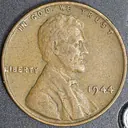
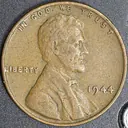
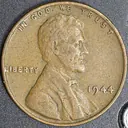
How Much Is a 1950 Penny Worth? (1950, 1950-D & 1950-S Values)
Most 1950 wheat pennies are worth a few cents, and raw uncirculated coins $1–$10. Condition is everything for this date: a 1950-D graded PCGS MS68 Red sold for $20,400 on February 11, 2025, and a PCGS PR68 Red Deep Cameo proof for $26,840 in September 2026.
Have one in hand? Scan it with CoinLens to identify it and see an estimate in seconds.
| Grade | 1950 (Philadelphia) | 1950-D (Denver) | 1950-S (San Francisco) |
|---|---|---|---|
| Circulated | Face to a few cents | Face to a few cents | Face to a few cents |
| Raw uncirculated (eBay) | $1–$8 | $1–$10 | $1–$7 |
| MS65 Red | NGC $16–$27; PCGS about $42 | $18–$21 | PCGS $24–$28 |
| MS66 Red | NGC $45–$74; PCGS $88–$125 | NGC $27–$36; PCGS $40–$55 | NGC $22–$34; PCGS $27–$49 |
| MS67 Red | NGC $507–$772; PCGS $840–$1,148 | NGC $276–$500; PCGS $415–$1,181 | NGC $196–$291; PCGS $210–$435 |
| Top results | PCGS MS67+ Red CAC $5,280 (Feb 2025) | PCGS MS68 Red $20,400 (Feb 11, 2025) | PCGS MS68 Red $7,800 (Feb 2025) |
Which one is yours? Check it with CoinLens →
Middle half of certified sales on PriceCharting (eBay and Heritage, 2023–2026, observed Nov 26, 2026) plus Heritage and Stack's Bowers results on NGC Auction Central. Estimates, not a price guide.
DEMO
Check your 1950 Lincoln Wheat Cent
Add a photo of each side
Add a photo of at least one side first.
Demo — photos stay on your device. Nothing is uploaded.
DEMO
Your photos are ready. The identification happens in the CoinLens app.
On the web this is a demo — it can't recognize coins. In the app, the same two photos give you the coin's name, details and a value estimate.
Scan these in the free appEXAMPLE — what CoinLens shows
Value estimate:
Sample from our guide's data, not a result for your photo.
That was a sample. Scan your coin →·
Coin facts
- Coin
- Lincoln Wheat Cent
- Years
- 1950
- Mints
- Philadelphia (no mint mark), Denver (D), San Francisco (S)
- Composition
- 95% copper, 5% tin and zinc
- Weight
- 3.11 g
- Diameter
- 19.05 mm
- Designer
- Victor David Brenner
Mintage
- 1950
- 272,635,000
- 1950-D
- 334,950,000
- 1950-S
- 118,505,000
- 1950 Proof
- 51,383
| Coin | Recent results | Dates |
|---|---|---|
| 1950, NGC MS67 Red | $372, $536.80, $738.10 | Apr 2023 – Jul 2026 |
| 1950, PCGS MS67 Red | $840, $870, $930 | Dec 2021 – Apr 2023 |
| 1950-D, NGC MS67 Red | $317.20, $414.80 (two coins), $690 | Nov 2022 – Jul 2026 |
| 1950-D, PCGS MS67 Red | $560.40 | Apr 2023 |
| 1950-S, NGC MS67 Red | $164, $195.20, $268.40 | Apr 2023 – Jul 2026 |
| 1950-S, PCGS MS67 Red | $360 | Apr 2023 |
Which one is yours? Check it with CoinLens →
Individual lots listed on NGC Auction Central's 1950, 1950-D and 1950-S MS pages, prices including buyer's premium.
| Grade | Typical sold price | Notes |
|---|---|---|
| Raw (from proof sets) | $39–$77 | 51,383 struck; many are toned |
| PR63–PR64 | $41–$103 | CoinWeek: expect $40–$60 for PR63 Red |
| PR65–PR66 | $72–$420 | PCGS a step higher than NGC |
| PR67 | NGC $275–$990; PCGS $285–$498 | Non-cameo coins stay affordable here |
| Cameo / Ultra Cameo | Heritage $174–$2,520 (2019–2026) | Ultra or Deep Cameo multiplies value |
| Top coins | NGC PF68 Ultra Cameo $19,975 (Heritage, Aug 2017); PCGS PR68 Red DCAM $26,840 (Sep 2026) | — |
Which one is yours? Check it with CoinLens →
PriceCharting 1950 proof sold listings, Heritage and Stack's Bowers results on NGC Auction Central, and CoinWeek's 1950 proof cent guide.
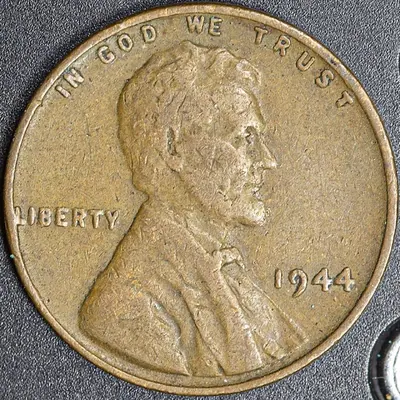
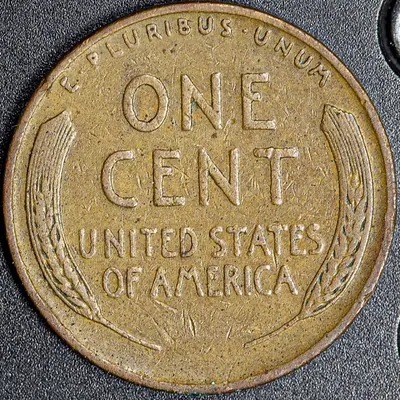
Dug from a coffee can, a 1950 wheat cent rarely tops a dime. Some 726 million left three mints for circulation, so the date itself is plentiful. Preservation is what lifts one into the hundreds:
- Raw uncirculated coins sell for about $1–$10.
- MS67 Red, the first grade worth real money, brings about $200–$1,150, depending on the mint and the grading service.
- MS68 Red coins are true rarities: $20,400 for a PCGS 1950-D (February 11, 2025) and $7,800 for a 1950-S.
- Proofs, back after a seven-year pause, start around $40 and reach five figures for deep cameo coins.
1950 penny mintage: Denver takes the lead
| Mint | Mint mark | Mintage |
|---|---|---|
| Philadelphia | none | 272,635,000 |
| Denver | D | 334,950,000 |
| San Francisco | S | 118,505,000 |
| Philadelphia proofs | none | 51,383 |
Mintages from Wikipedia.
According to CoinWeek, 1950 began a run in which Denver out-produced Philadelphia every year through 1958. The mint mark sits under the date; no letter means Philadelphia.
1950 penny value by mint and grade
The first table above gives prices by mint. Three patterns stand out:
- Below MS67, all three mints are cheap. MS65 Red coins sell for $16–$42 and MS66 Red for $22–$125.
- In MS67 Red, Philadelphia is the most valuable. NGC 1950s sold for $507–$772 and PCGS coins for $840–$1,148, against $196–$435 for the 1950-S. Heritage results tell the same story: NGC MS67 Red 1950s brought $536.80 and $738.10 in 2026, while NGC 1950-S coins brought $195.20 and $268.40.
- PCGS coins usually sell for more than NGC coins in the same grade. The gap is widest in MS67.
Unexplained high lots. NGC Auction Central also lists PCGS MS67 Red 1950s at $2,400 (April 2019), $5,040 (June 2019) and $6,300 (June 2021). The listings don’t explain these prices; they were probably plus-graded or CAC-approved coins (our reading), so treat them as exceptions.
The 1950 proof: the first postwar proof cent
CoinWeek’s 1950 proof guide gives the background. The Mint revived proof sets in 1936, and sales grew from 3,837 that year to 21,120 in 1942. World War II stopped the program, and no proof sets were issued from 1943 to 1949. When sets returned in 1950, they were the first to show only presidents and founding fathers, with no Liberty design: the Lincoln cent, Jefferson nickel, Roosevelt dime, Washington quarter and Franklin half dollar.
Why so many 1950 proofs are spotted. CoinWeek calls the cent possibly the best-made coin in the set. The problem is storage: the original cellophane holders turned brittle and, with exposure, stained and mellowed many coins. Some proofs also have a satin finish because dies were overused between polishings; CoinWeek finds these less desirable than brilliant proofs, and both less desirable than coins with cameo contrast.
Cameo coins are scarce. As of October 2024, NGC had certified 2,413 1950 proof cents, with 21.96% designated Cameo and 3.77% Ultra Cameo. PCGS had graded 2,615, with 15.33% Cameo and 2.29% Deep Cameo. All services together have graded slightly less than 10% of the 51,383 struck.
Prices. CoinWeek puts a PR63 Red at $40–$60. Non-cameo coins stay affordable up to PR67: NGC PR67 coins sold for $275–$990 on eBay. Cameo adds a lot: Heritage sold a PCGS PR66 Ultra Cameo for $1,037 in May 2026, and an NGC PF68 Cameo for $2,520 in 2020. CoinWeek tracks one coin that sold as PCGS PR67 Red DCAM for $8,812.50 in 2015, then crossed to NGC PF68 Ultra Cameo and brought $19,975 at Heritage in August 2017.
The top of the 1950 proof market. CoinWeek’s record list shows how much a few specks or a lint mark can cost. A PCGS PR67+ Red Deep Cameo, top population when offered despite a planchet void and small spots, brought $13,800 at Heritage in January 2020. A PCGS PR67 Red Deep Cameo with a lint mark and mellowing color made $4,200 that April, and another PR67 Deep Cameo fell from $8,225 (September 2016) to $5,170 (January 2017). An NGC PF67+ Ultra Cameo sold for $3,450 at DLRC in May 2020. As of April 2025, the finest graded were two PCGS PR67+ Deep Cameo and two NGC PF68 Ultra Cameo coins.
Lesser proofs can still be bargains. CoinWeek cites an NGC-graded non-cameo coin at $152 on eBay (April 7, 2024) and a colorful PCGS PR64 Brown at $200.06 (March 27, 2024). It notes rainbow-toned coins are often labeled Brown although they look vivid.
1950 doubled dies
Wexler’s Die Varieties lists only minor 1950 doubling:
- WWHO-001 (all three mints): a doubled working hub with a close spread on the E in WE.
- 1950 WDDO-001: an extra eyelid just below the normal one.
- 1950-D: 11 obverse doubled dies (at least two with an extra eyelid) and a reverse WDDR-001 with doubling along the entire right wheat stalk.
These add little to a coin’s value; an ICG MS65 Red 1950-D doubled die sold for $80.50 in September 2026.
Bronze content
The 1950 wheat cent uses the traditional bronze formula, 95% copper with tin and zinc, 3.11 grams. A coin’s worth of that metal edges just past one cent at scrap prices, which matters little because 31 CFR Part 82 outlaws melting cents.
How to check your coin with CoinLens
Hold the coin under even light and shoot both faces in Coin Identifier – CoinLens for iPhone or Android. Back comes the identification, mint, alloy and minting years, along with an instant value estimate you can store in a collection. For a 1950, though, red color and cameo frost decide whether a coin is worth $5 or $500, and those calls belong to PCGS or NGC.
Where to sell a 1950 penny
Worn 1950 cents usually change hands by the roll or by weight within mixed wheat lots. Raw BU rolls and loose proofs find eBay buyers, but CoinWeek cautions that most unopened-looking 1950 proof sets have long since been searched, and advises buying them only from reputable dealers with fair return policies. Graded MS67 Red cents, cameo proofs and the MS68 rarities fit best at Heritage, Stack’s Bowers or GreatCollections.
Frequently asked questions
How much is a 1950 penny worth?
A circulated 1950 wheat cent is worth a few cents. Raw uncirculated coins sell for about $1 to $10, certified MS66 Red coins for $22 to $125, and MS67 Red coins for about $200 to $1,150 depending on mint and grading service.
How much is a 1950 penny with no mint mark worth?
Philadelphia made 272,635,000. Circulated coins are worth a few cents. In MS67 Red, the 1950 Philadelphia cent is the most valuable of the three mints: NGC coins sold for $507 to $772 and PCGS coins for $840 to $1,148.
Is the 1950-D penny rare?
No. Denver made almost 335 million, more than Philadelphia. Only perfect coins are rare: a PCGS MS68 Red 1950-D sold for $20,400 in February 2025.
What is a 1950 proof penny worth?
Raw proofs from broken sets sell for about $39 to $77, and CoinWeek puts a PR63 Red at $40 to $60. Cameo and Ultra Cameo proofs bring hundreds to thousands; a PCGS PR68 Red Deep Cameo sold for $26,840 in September 2026.
Why are many 1950 proof pennies toned or spotted?
CoinWeek explains that the 1950 proof sets came in cellophane holders that break down with age. The chemistry and exposure stained and mellowed many coins, so fully bright red proofs are worth much more.
Are there 1950 doubled die pennies?
Yes, minor ones. Wexler lists a doubled working hub (WWHO-001) on all three mints with a close spread on the E in WE, a 1950 WDDO-001 with an extra eyelid, and 11 obverse and one reverse doubled die for the 1950-D. None is a famous, high-value variety.
Where is the mint mark on a 1950 penny?
On the obverse, directly under the date. No letter means Philadelphia, D means Denver, S means San Francisco.
Sources
- CoinWeek: 1950 Lincoln cent proof collector's guide (proof revival, cellophane toning, satin proofs, populations, records)
- CoinWeek: 1958-D Lincoln wheat cent collector's guide (Denver out-produced Philadelphia from 1950)
- NGC Auction Central: 1950 1C MS
- NGC Auction Central: 1950-D 1C MS
- NGC Auction Central: 1950-S 1C MS
- NGC Auction Central: 1950 1C PF
- Wexler's Die Varieties: 1950 doubled dies
- Wexler's Die Varieties: 1950-D doubled dies
- Lincoln cent mintage figures (Wikipedia)
- PriceCharting: 1950 Lincoln wheat penny sold listings
- PriceCharting: 1950-D Lincoln wheat penny sold listings
- PriceCharting: 1950-S Lincoln wheat penny sold listings
- PriceCharting: 1950 proof Lincoln cent sold listings
- 31 CFR Part 82 — prohibition on melting one-cent coins (eCFR)
Values are estimates, not offers. Condition decides the price; for a valuable coin, get a professional grade.