1999 Delaware Quarter Error: Is the Spitting Horse Worth Money?
The 1999 Delaware spitting horse quarter has a die crack running from the horse's mouth, so it looks like the horse is spitting. Circulated examples sold for about $2 to $6 on eBay. Top-grade Delaware quarters pay more: a PCGS MS68PL 1999-P brought $1,472 at Heritage in December 2007.
Have one in hand? Scan it with CoinLens to identify it and see an estimate in seconds.
| Coin | Circulated | Sales found | Top sales found |
|---|---|---|---|
| 1999-P or 1999-D, normal | 25¢ | Raw uncirculated 1999-D about $1–$2; PCGS MS68 1999-P $960 (Heritage, Dec 13, 2018) | Record: PCGS MS68PL 1999-P $1,472 (Heritage, Dec 2007) |
| Spitting horse die crack | About $2–$6 (eBay sold listings) | Uncirculated, certified examples bring more | — |
| 1999-S silver proof | — | Trades in 1999 silver proof sets | NGC PF70 Ultra Cameo $794.99 (eBay, Oct 2025); PR70 median about $138 |
Which one is yours? Check it with CoinLens →
Ranges built from the individual sales cited below, not a price guide. The 2007 record was set when few coins had been graded; later sales in the same grade were much lower.
DEMO
Check your 1999 50 State Quarter, Delaware
Add a photo of each side
Add a photo of at least one side first.
Demo — photos stay on your device. Nothing is uploaded.
DEMO
Your photos are ready. The identification happens in the CoinLens app.
On the web this is a demo — it can't recognize coins. In the app, the same two photos give you the coin's name, details and a value estimate.
Scan these in the free appEXAMPLE — what CoinLens shows
Value estimate:
Sample from our guide's data, not a result for your photo.
That was a sample. Scan your coin →·
Coin facts
- Coin
- 50 State Quarter, Delaware
- Years
- 1999
- Mints
- Philadelphia (P), Denver (D), San Francisco (S, proofs)
- Composition
- Copper-nickel clad (silver proofs 90% silver)
- Weight
- 5.67 g
- Diameter
- 24.3 mm
- Designer
- William Cousins (reverse), John Flanagan (obverse)
Mintage
- 1999-P
- 373,400,000
- 1999-D
- 401,424,000
- 1999-S proof / silver proof
- 3,713,359 / 804,565
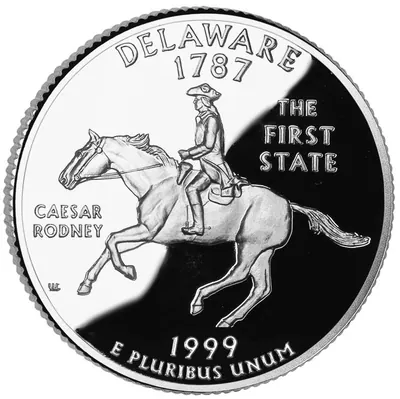
The 1999 Delaware quarter was the first 50 State quarter. Its reverse, by William Cousins, shows Caesar Rodney on horseback, with the captions “The First State” and “Caesar Rodney”. The Mint struck 373,400,000 in Philadelphia and 401,424,000 in Denver.
The “spitting horse” is a 1999 Delaware quarter struck from a cracked reverse die. A raised line runs out from the horse’s mouth, so the horse seems to be spitting. It is a real, collected mint error, but it is a minor one: circulated examples have sold on eBay for roughly $2 to $6.
How to spot a spitting horse quarter
- Turn the coin to the reverse (Caesar Rodney on horseback).
- Look at the horse’s mouth with a 5x or 10x magnifier.
- Find a raised line starting at the mouth and running out into the field. On a spitting horse coin it looks like a thin stream coming from the mouth.
- Check it is raised, not cut. Tilt the coin under a light. A die crack stands up from the surface like the design does. A scratch is a groove and adds no value.
Many listings are 1999-P coins; check the mint mark on any coin you find: it is on the obverse, right of Washington’s ponytail.
What a spitting horse quarter is worth
- Circulated: about $2–$6 in eBay sold listings.
- Uncirculated: more, especially with a long, bold crack.
- Certified: coins graded and attributed as a die crack bring the best prices, but certification fees are high compared with the value of most examples.
Minor die cracks like this usually sell for small premiums, as the 2026 sales show. Coins with big, dramatic die breaks, especially ones reaching the rim, are more desirable.
1999 Delaware quarter error list with pictures
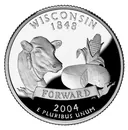
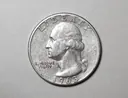
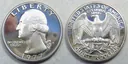
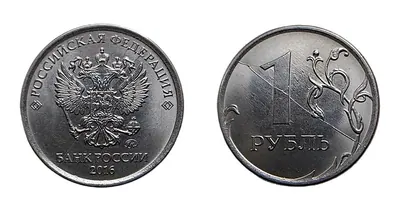
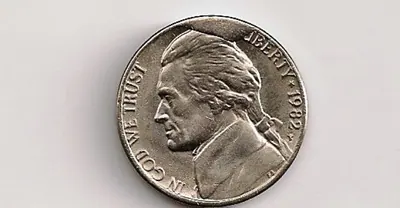
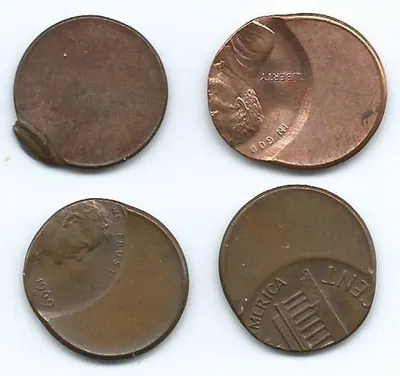
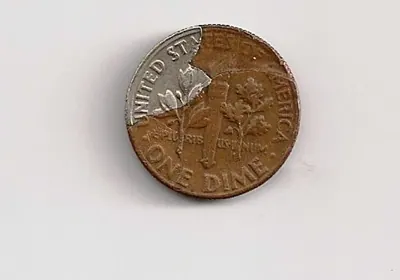
The first photo at the top of this page is the Delaware reverse, where the spitting horse crack appears. The other photos show each error type on other coins, because free-licensed photos of Delaware quarter errors are not available; the errors look the same on a quarter.
| Error | Where to look | Pictured above | Sales found for 1999 Delaware quarters |
|---|---|---|---|
| Spitting horse die crack | Raised line from the horse’s mouth (reverse) | Delaware reverse; die crack on a 1-rouble coin | $2–$6 circulated (eBay, Aug–Nov 2026) |
| “THE FIRST STAT” | Weak or missing last E in STATE | Delaware reverse | Value depends on how complete the missing letter is |
| Other die cracks and cuds | Raised lines anywhere; raised blobs at the rim | Die crack; cud on a Jefferson nickel | A dollar or two for small cracks |
| Off-center strike / clipped planchet | Blank crescent, or a bite out of the rim | Off-center and clipped cents | Valued case by case; major errors |
| Missing or peeled clad layer | One side copper-colored, coin underweight | Peeled cladding on a clad coin | Valued case by case; needs authentication |
| Broadstrike | Wider than normal, plain edge with no reeding | Broadstruck cent | Valued case by case |
1. Spitting horse
A crack in the reverse die, running out from the mouth of Caesar Rodney’s horse. Metal flowed into the crack, so every coin struck afterwards shows a thin raised line, like a stream from the horse’s mouth. In PriceCharting-recorded eBay sales from August to November 2026, circulated spitting horse quarters sold for $2.00, $2.49, $2.99 and $6.00. It is a collectible, real variety, but a cheap one.
2. “THE FIRST STAT”
Wikipedia notes that some Delaware quarters show the caption without its last E, reading “THE FIRST STAT”. This happens when grease or debris fills part of the die, so the letter is weak or missing. Coins where the E is completely gone are the ones collectors want; a faint E is common.
3. Other die cracks and cuds
Cracks can run through the legend, the horse or the obverse portrait. A cud forms when a piece of the die’s edge breaks off, leaving a raised, featureless blob joined to the rim. Large cuds are worth more than hairline cracks.
4. Off-center strikes and clipped planchets
The most valuable error type you can realistically find. An off-center coin has part of the design missing and a blank area; the more off-center, while still showing the date, the better. A clipped planchet has a curved or straight piece missing from the rim, with the rim on the opposite side weakened.
5. Missing clad layer and broadstrikes
If a 1999 Delaware is copper-colored on one side, weigh it. A genuine missing-layer coin weighs less than 5.67 g. A broadstrike is wider than a normal quarter and has a plain edge because the collar was not in place.
Be careful with “error” listings
A 1999-D Delaware listed as a doubled die obverse and reverse sold for just $2.00 in June 2026, and a few raw 1999 Delaware quarters show “sold” prices of $500–$750 on eBay. Neither tells you what a real error is worth. Look for an attribution from PCGS, NGC or an error specialist before paying a premium.
When a 1999 Delaware quarter is worth real money
For most Delaware quarters, condition matters more than the spitting horse:
- Raw uncirculated 1999-D: about $1–$2.
- PCGS MS68 1999-P: $960 (Heritage, December 13, 2018, per CoinWeek).
- PCGS MS68PL 1999-P: $1,472 (Heritage, December 2007), the only PCGS MS68 1999-P auction record CoinWeek lists.
- 1999-S silver proofs: PR70 silver Delawares had a median sale of about $138 in PriceCharting-recorded sales (2024–2026); the best we found was $794.99 for an NGC PF70 Ultra Cameo in October 2025.
How to check your coin with CoinLens
Photograph both sides with CoinLens. It identifies the coin, the state design, year and mint from a database of almost 500,000 coins and gives an instant value estimate. CoinLens does not detect die cracks, so use a magnifier for the spitting horse check, and get certification only for a strong, uncirculated example.
Where to sell a spitting horse quarter
- Circulated examples: eBay, with a sharp close-up of the horse’s mouth. Expect a few dollars.
- Uncirculated or certified examples: eBay or error-coin dealers.
- Ordinary Delaware quarters: worth face value unless uncirculated in a very high grade.
Frequently asked questions
What is the 1999 Delaware spitting horse quarter?
A 1999 Delaware quarter struck from a cracked reverse die. The crack shows as a raised line running from Caesar Rodney’s horse’s mouth, so the horse appears to be spitting.
How much is a 1999 Delaware spitting horse quarter worth?
Circulated examples have sold for about $2 to $6 on eBay. Die cracks usually add only modest premiums; uncirculated, certified coins with a strong crack bring more.
How much is a normal 1999 Delaware quarter worth?
25 cents if circulated. Raw uncirculated 1999-D coins sell for $1–$2, and only top-grade certified coins bring real money.
Is the spitting horse a doubled die or a mint error?
It is a die crack, a minor mint error. As the die cracked, metal flowed into the crack and left a raised line on every coin struck afterwards.
How do I know if my Delaware quarter is a spitting horse?
Look on the reverse at the horse’s head with a magnifier. A genuine crack is a raised line that starts at the mouth. A scratch cut into the coin is not an error.
Are there other 1999 Delaware quarter errors?
Yes. Some Delaware quarters show a weak or missing last E in STATE (‘THE FIRST STAT’), and off-center strikes and clipped planchets exist. For errors across all states, see the state quarter errors guide.
Sources
- Wikipedia: 50 State quarters (Delaware design, spitting horse die crack, 'FIRST STAT')
- CoinWeek: What is a 1999 Delaware state quarter worth? (mintages, auction records)
- CoinWeek: 1999 Delaware 50 State Quarter, A Collector's Guide (MS68 and MS68PL sales)
- CoinWeek: 1999-D Delaware 50 State Quarter, A Collector's Guide (raw and MS68 prices)
- PriceCharting: 1999-S silver Delaware proof quarter, sold listings
- PriceCharting: 1999-P Delaware state quarter, sold listings (spitting horse sales)
Values are estimates, not offers. Condition decides the price; for a valuable coin, get a professional grade.