Should You Clean Old Coins? (Why Cleaning Kills Their Value)
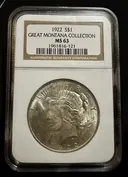
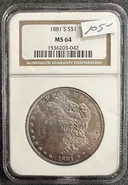
No. Cleaning almost always lowers value: it scratches the surface, removes original luster and toning, and a harshly cleaned coin usually comes back from PCGS or NGC as 'details', with no numeric grade. Collectors pay for original surfaces: the top 1893-S Morgan, PCGS MS67 CAC, sold for $2,086,875 (GreatCollections, August 2021).
Have one in hand? Scan it with CoinLens to identify it and see an estimate in seconds.
DEMO
Check your Should You Clean Old Coins? (Why Cleaning Kills Their Value)
Add a photo of each side
Add a photo of at least one side first.
Demo — photos stay on your device. Nothing is uploaded.
DEMO
Your photos are ready. The identification happens in the CoinLens app.
On the web this is a demo — it can't recognize coins. In the app, the same two photos give you the coin's name, details and a value estimate.
Scan these in the free appEXAMPLE — what CoinLens shows
Value estimate:
Sample from our guide's data, not a result for your photo.
That was a sample. Scan your coin →·
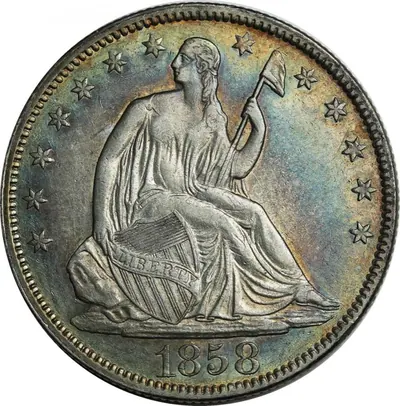
Don’t clean coins you might ever sell or collect. It’s the most common way people destroy value in an inherited collection. Even gentle rubbing or a “safe” dip changes the surface in ways collectors and grading services spot at once.
Why cleaning kills value
- Hairlines: rubbing with cloth, toothpaste, baking soda or a brush leaves thousands of fine parallel scratches.
- Lost luster: the cartwheel shine on an uncirculated coin comes from the microscopic flow lines of the strike. Cleaning removes it, and it can’t be restored.
- Stripped toning: natural toning on old silver and copper is part of a coin’s appeal; on some coins attractive toning adds a premium.
- “Details” grades: PCGS and NGC won’t give a cleaned coin a normal numeric grade. It comes back as, for example, “XF Details – Cleaned,” and buyers discount it heavily.
What not to use
Avoid all of these on collectible coins: metal polish, toothpaste, baking soda, vinegar, lemon juice, ketchup, jewelry dips, ultrasonic cleaners, wire brushes, erasers, and electrolysis.
What is safe
- Leave it alone — the best choice for almost every coin.
- Loose dirt: soak in distilled water, then let it air-dry on a soft towel. Don’t rub.
- Handling: hold coins by the edges, ideally with cotton or nitrile gloves; skin oils leave fingerprints that can etch in over time.
- Storage: use inert holders (PVC-free flips, 2x2s, or archival albums). Old soft-plastic flips can leave green PVC residue.
When conservation makes sense
If a valuable coin has PVC residue, active corrosion or heavy grime, send it for professional conservation (NGC’s NCS, or PCGS’s restoration service) instead of treating it yourself. Conservators aim to remove harmful material while preserving original surfaces, and it’s usually done just before grading. Our guide on how to get coins graded explains the submission process.
When cleaning doesn’t matter
For coins worth only face or melt — common pocket change, worn junk silver bought by weight — cleaning won’t change the value. Check the date, mint mark and condition first, though, because a coin you think is common might not be.
How to check your coin with CoinLens
Before doing anything to an old coin, identify it. Coin Identifier – CoinLens (iOS) recognizes coins from photos of both sides, using a database of almost 500,000 coins, and shows an instant value estimate plus composition and minting years — so you know whether it’s worth leaving untouched. Free scans are limited; Premium unlocks unlimited scans. Download CoinLens on the App Store.
Where to sell old coins
Sell coins as they are. Dealers and auction houses would rather see original surfaces, even dirty ones. For valuable pieces, grade first; for mixed lots, a local coin shop can sort what’s worth more than face.
Frequently asked questions
Does cleaning a coin reduce its value?
Yes, for any coin with collector value. Cleaning leaves fine hairline scratches and removes the original surface. Grading services label cleaned coins ‘details’ (for example ‘AU Details – Cleaned’), and these sell for much less than problem-free coins of the same wear.
How can I clean coins without damaging them?
For coins with collector value, don’t. If a coin has loose dirt, you can soak it in distilled water and let it air-dry without rubbing. For valuable coins with harmful residue or active corrosion, use a professional conservation service such as NCS (NGC’s conservation arm).
Is it OK to clean coins that are only worth melt or face value?
Yes. Cleaning junk silver or common pocket change doesn’t change its metal value. Just be sure the coin really is common first — check the date, mint mark and any varieties.
Can you tell if a coin has been cleaned?
Usually. Look for parallel hairline scratches, an unnatural bright or dull look, missing luster (‘cartwheel’ shine) and residue in the recesses around letters. Tilt the coin under a single light to see the hairlines.
What is coin conservation?
Professional conservation removes harmful substances (PVC residue, dirt, verdigris) with controlled methods meant to preserve original surfaces. NGC’s NCS and PCGS both offer it for a fee, typically before grading.
Sources
- 1893-S Morgan $2,086,875 at GreatCollections (CoinWeek)
- Coin cleaning: effects on value and grading (Wikipedia)
- NCS Conservation Services & Fees (NGC)
- Coin grading: details grades (Wikipedia)
Values are estimates, not offers. Condition decides the price; for a valuable coin, get a professional grade.