Repunched Mint Mark (RPM) Explained: How to Spot One and What It's Worth
A repunched mint mark (RPM) shows a second, offset mint mark letter because the mark was hand-punched into the die twice. Most carry modest premiums; top listed varieties bring more: a 1909-S S/Horizontal S cent in PCGS MS67RD sold for $24,000 in March 2018 (per CoinWeek).
Have one in hand? Scan it with CoinLens to identify it and see an estimate in seconds.
| Variety | What you see | Cause |
|---|---|---|
| Repunched mint mark (RPM), e.g. D/D, S/S | Two overlapping copies of the same letter | Mint mark punched twice into the die, slightly offset |
| S over horizontal S | A second S lying on its side under the main S | First punch rotated, then corrected |
| Over mint mark (OMM), e.g. D/S | One mint letter over a different one | Die punched for one mint, then re-punched for another |
| Doubled die | Doubled lettering across the design, not just the mint mark | Hubbing error, not a punching error |
Which one is yours? Check it with CoinLens →
Until the early 1990s, mint marks were punched into each US working die by hand with a puncheon (see the Mint-made errors reference cited). Values depend on the listed variety and grade.
DEMO
Check your Repunched Mint Mark (RPM) Explained: How to Spot One and What It's Worth
Add a photo of each side
Add a photo of at least one side first.
Demo — photos stay on your device. Nothing is uploaded.
DEMO
Your photos are ready. The identification happens in the CoinLens app.
On the web this is a demo — it can't recognize coins. In the app, the same two photos give you the coin's name, details and a value estimate.
Scan these in the free appEXAMPLE — what CoinLens shows
Value estimate:
Sample from our guide's data, not a result for your photo.
That was a sample. Scan your coin →·
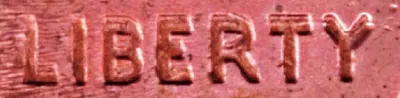
For most of US history, the mint mark (D, S, O, CC and so on) was punched by hand into each working die. If the first punch was light or off and the worker struck it again, the die could show two overlapping letters. Every coin from that die shows the same repunched mint mark (RPM), so it’s a collectible variety, not a one-off error.
How to spot an RPM
- Find the mint mark for your coin’s type and year.
- Under 10x magnification, look for a second outline, a notch, or an extra serif of the same letter.
- Note the direction of the extra letter (north, south, east, west, or rotated) — RPMs are cataloged by direction.
- Compare with photos of known varieties for your date.
The most common mistake is confusing an RPM with a damaged or worn mint mark, or with machine doubling, which looks flat and shelf-like.
RPM vs OMM vs doubled die
- RPM (e.g. D/D, S/S): same letter punched twice.
- Over mint mark (OMM, e.g. D/S): a die was punched for one mint and re-punched for another — usually more valuable.
- Doubled die: doubling across the lettering and design, not just the mint mark. See our doubled die coins guide.
Are RPMs valuable?
Most RPMs carry small premiums, and many are only collected by variety specialists. Value goes up for:
- Strong, visible repunching.
- Popular series (Lincoln cents, Buffalo nickels, Mercury dimes).
- Listed, well-known varieties with catalog numbers.
- High grade — CoinWeek reports that the only PCGS auction record for the 1909-S S/Horizontal S cent in MS67RD is $24,000 (March 2018).
How to check your coin with CoinLens
Coin Identifier – CoinLens (iOS) identifies the coin, year and mint from photos of both sides and shows an estimated value for that issue — so you know which dates to check for listed RPMs. It doesn’t detect repunching. Free scans are limited; Premium unlocks unlimited scans. Download CoinLens on the App Store.
Where to sell RPM coins
Variety specialists and auctions for listed, high-grade RPMs (certified with the variety attributed); eBay for raw and minor RPMs. Include a sharp close-up of the mint mark.
Frequently asked questions
How do I find a repunched mint mark?
Use a 10x magnifier on the mint mark only. Look for a second outline, notch or serif of the same letter offset north, south, east or west, or tilted. Compare with photos of listed RPM varieties for your date.
Are repunched mint marks valuable?
Most are minor varieties with modest premiums. Strong, well-known RPMs on popular series, in high grade, bring more; a 1909-S S/Horizontal S cent in PCGS MS67RD reached $24,000 in March 2018.
What years have repunched mint marks?
Any US coin with a mint mark from before the early 1990s can have one, because mint marks were punched into each working die by hand. Lincoln cents from the 1940s–1960s (for example D/D and S/S varieties) are popular hunting grounds.
What's the difference between an RPM and a doubled die?
An RPM affects only the mint mark, because only the mint mark punch was doubled. A doubled die shows doubling on other lettering or design elements, because the whole die was hubbed twice out of alignment.
Do modern coins have RPMs?
Rarely. Since the early 1990s the mint mark has been part of the master die or hub, so repunched mint marks essentially stopped.
Sources
- Top pop 1909-S Lincoln cent repunched mint mark (S/Horizontal S), PCGS MS67RD; only PCGS auction record $24,000 Mar 2018 (CoinWeek)
- Mint mark: history and hand-punching (Wikipedia)
- Mint-made errors: die varieties (Wikipedia)
Values are estimates, not offers. Condition decides the price; for a valuable coin, get a professional grade.