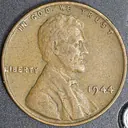
How Much Is a 1959 Penny Worth? (1959, 1959-D & Proof Values)
Most 1959 pennies are worth a few cents to a few dollars: they were hoarded and are plentiful even in red mint state. The value is in top grades: a PCGS MS67+ Red 1959 sold for $4,320 at Heritage on November 6, 2023, and one brought $5,886.75 in 2016.
Have one in hand? Scan it with CoinLens to identify it and see an estimate in seconds.
| Grade | 1959 (Philadelphia) | 1959-D (Denver) | Notes |
|---|---|---|---|
| Circulated | 1–5¢ | 1–5¢ | Copper, but common |
| Raw uncirculated (eBay) | $2–$6 | $2–$7 | Original rolls $6–$20 (CoinWeek, 2024) |
| MS64 Red | $11–$74 (PCGS) | $7–$31 | — |
| MS65 Red | $14–$35 | $12–$32 | Heritage PCGS MS65 Red $237.90 (Apr 2026) |
| MS66 Red | NGC $23–$25; PCGS $26–$47 | NGC $12–$34; PCGS $25–$51 | Below grading cost |
| MS67 Red | NGC $280–$910; PCGS $397–$650 | NGC $130–$260; PCGS $140–$201 | ICG MS67s sold for $30–$75 |
| MS67+ Red (top grade) | PCGS $2,520–$5,886.75 (Heritage, 2016–2023); NGC $1,420.25 (eBay, Aug 2026) | NGC $1,160 (eBay, Jan 2024) | PCGS had graded five MS67+ Red 1959s (May 2025) |
Which one is yours? Check it with CoinLens →
Middle half of certified sales on PriceCharting (eBay and Heritage, 2023–2026, observed Nov 26, 2026), Heritage results on NGC Auction Central and CoinWeek's 1959 guide. Estimates, not a price guide.
DEMO
Check your 1959 Lincoln Memorial Cent
Add a photo of each side
Add a photo of at least one side first.
Demo — photos stay on your device. Nothing is uploaded.
DEMO
Your photos are ready. The identification happens in the CoinLens app.
On the web this is a demo — it can't recognize coins. In the app, the same two photos give you the coin's name, details and a value estimate.
Scan these in the free appEXAMPLE — what CoinLens shows
Value estimate:
Sample from our guide's data, not a result for your photo.
That was a sample. Scan your coin →·
Coin facts
- Coin
- Lincoln Memorial Cent
- Years
- 1959
- Mints
- Philadelphia (no mint mark), Denver (D)
- Composition
- 95% copper, 5% tin and zinc
- Weight
- 3.11 g
- Diameter
- 19.05 mm
- Designer
- Victor David Brenner (obverse), Frank Gasparro (reverse)
Mintage
- 1959
- 609,715,000
- 1959-D
- 1,279,760,000
- 1959 Proof
- 1,149,291
| Grade | Typical sold price | Notes |
|---|---|---|
| Raw (from proof sets) | $3–$12 | 1,149,291 struck |
| PR65–PR67 | $10–$48 | PCGS a little higher than NGC |
| PR68 | NGC $18–$40 | NGC PF68 Ultra Cameo $390.40 (Heritage, Feb 2026) |
| PR69 Red | NGC $108–$208 | Heritage NGC PF69 Red $104–$187.20 (2022–2023) |
| PR69 Cameo | PCGS $1,500 (Heritage, Sep 2020) | Cameo contrast multiplies the price |
Which one is yours? Check it with CoinLens →
PriceCharting sold listings for the 1959 proof and Heritage results on NGC Auction Central.
| Variety | Catalog | What to look for | Sales |
|---|---|---|---|
| 1959 WDDO-001 | FS-01-1959-101 | Spread toward the rim on the date (59 and 19); early die states show LIBERTY doubling | ANACS MS64 $90–$129; PCGS MS64 $50; NGC MS65 $249.99 (2024–2026) |
| 1959 WDDO-002 | FS-01-1959-102 | Spread on LIBERTY; notched letters in IN GOD WE TRUST | No reliable sales |
| 1959 and 1959-D extra eyelid dies | Wexler only | A second eyelid just below the normal one | Minor; no market |
| 1959-D WDDO-007 | Wexler only | Doubled lips and chin | No reliable sales |
| 1959-D WRPM-050 | Wexler RPM files | D over D, tilted, on the lower serif | Minor |
Which one is yours? Check it with CoinLens →
Wexler lists 18 doubled dies for 1959 (four rated Best Of) and 18 for 1959-D. Sales from PriceCharting.
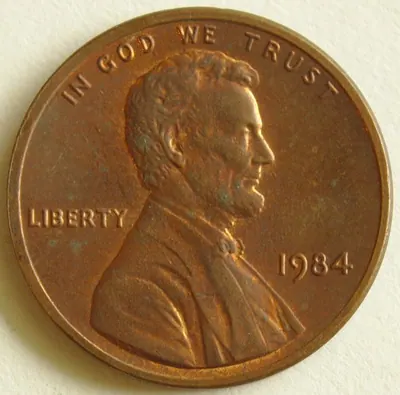
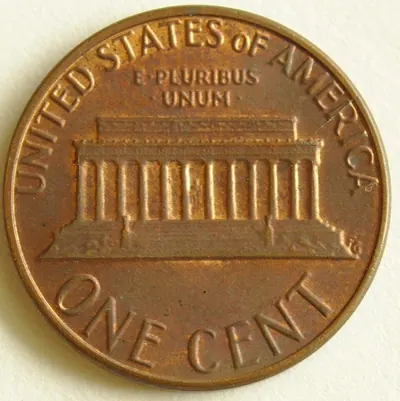
Spent and worn, a 1959 Lincoln cent fetches little beyond its copper novelty. Philadelphia and Denver struck almost 1.9 billion of them, and collectors saved so many that even bright red uncirculated coins are cheap: about $2–$7 raw.
Grade is the whole story for this date:
- MS64–MS66 Red: usually $10–$50, frequently below what a slab costs.
- MS67 Red: the first real premium, about $280–$910 for an NGC 1959 and $130–$260 for a 1959-D.
- MS67+ Red: the top grade. PCGS had certified only five 1959s at that level by May 2025, and they have sold for $2,520 to $5,886.75 at Heritage.
- Proofs: most sell for a few dollars, but cameo PR69 coins can reach four figures.
How the 1959 cent got its new reverse
The 1959 cent marks the 150th anniversary of Lincoln’s birth and the 50th year of the Lincoln cent. CoinWeek reports that the public first heard of the change on December 21, 1958, when President Eisenhower’s press secretary, James Hagerty, announced that Treasury Secretary Robert B. Anderson’s recommendation for “a new reverse side of the one-cent Lincoln coin” had been approved. The statement said production would begin on January 2, 1959.
The new design, by Assistant Engraver Frank Gasparro, shows the Lincoln Memorial in Washington, with his initials FG at the lower right of the building. CoinWeek notes that Congress authorized the Memorial in 1910, construction began four years later with a $300,000 allocation, and the finished temple-style building, with 36 Doric columns, cost just over $3 million by 1922.
1959 penny mintage
| Mint | Mint mark | Mintage | Share |
|---|---|---|---|
| Philadelphia | none | 609,715,000 | 32% |
| Denver | D | 1,279,760,000 | 68% |
| Philadelphia proofs | none | 1,149,291 | Proof sets only |
Mintages from Wikipedia, whose table lists no San Francisco cents between 1955 and 1968, so there is no 1959-S.
Denver struck more than twice as many cents as Philadelphia. That doesn’t make the 1959 Philadelphia coin scarce, though: both were saved in rolls.
Why so many 1959 cents survive in red mint state
CoinWeek calls the 1959 “heavily hoarded.” As the first Memorial cent it was saved by the public and by dealers, and rolls were cheap: Magnolia Coin Company of Jackson, Mississippi, advertised BU rolls for 95 cents in the June 1961 Numismatist. Original rolls still turn up. One bank-wrapped roll sold on eBay for $20 on April 29, 2024, and another for $6 plus $6 shipping that October.
That supply explains the price structure in the first table. Gems in MS65 and MS66 Red are common, and CoinWeek notes they sell for a few dollars less than it costs to certify them. Only superb gems are scarce.
1959 penny value by grade
The first table above shows sold prices for both mints:
- Up to MS66, the two mints trade alike, from a few dollars to about $50. A Philadelphia PCGS MS65 Red did bring $237.90 at Heritage in April 2026, but that is an outlier.
- At MS67 Red, the Philadelphia coin is worth more. NGC MS67 Red 1959s sold for $280–$910 and PCGS coins for $397–$650, while 1959-D coins in the same grade went for $130–$260. Heritage results for the 1959-D range from $79 (NGC, 2018) to $1,920 (PCGS, 2019 and 2023), so the grading service matters.
- MS67+ Red is the ceiling. CoinWeek tracks two PCGS coins: one sold for $5,886.75 (August 2016) and again for $5,040 (June 2019); the other for $2,520 (January 2020) and $4,320 (November 2023). An NGC MS67+ Red sold for $1,420.25 on eBay in August 2026.
ICG-graded MS67 coins sell for far less, about $30–$75, because buyers trust PCGS and NGC grades more.
1959 proof cents
The 1959 proof set sold 1,149,291 copies, so its mirror cent is easy to find. Singles cut out of old sets go for $3–$12, while graded PR65–PR68 pieces land near $10–$50. The money is in PR69 and in cameo contrast: NGC PF69 Red coins brought $104–$187.20 at Heritage in 2022–2023, an NGC PF68 Ultra Cameo $390.40 in February 2026, and a PCGS PR69 Red Cameo $1,500 in September 2020.
1959 doubled dies and errors
Wexler’s Die Varieties lists 18 doubled dies for 1959, four rated “Best Of,” and 18 for the 1959-D. The third table summarizes the useful ones:
- FS-101 (WDDO-001) is the 1959 variety with a market. Look for separation lines on the 5 and 9 of the date and thickness on the 1 and 9. Certified MS64–MS65 examples sold for $50–$250 in 2024–2026.
- Extra eyelid dies are the most common type on both mints. Wexler lists several with a second eyelid just below the normal one. They are real doubled dies, but too minor to carry a premium.
- 1959-D WDDO-007 shows doubled lips and chin, and WRPM-050 is a tilted D over D.
Unexplained high sales. NGC Auction Central lists a few brown 1959 and 1959-D cents that sold for far more than any normal coin: for example, a PCGS MS63 Brown 1959 at $2,820 (2017) and an NGC MS64 Brown 1959-D at $10,575 (2017). The listings don’t name the error or variety, so treat them as special coins, not grade benchmarks (our reading).
Copper content and melt
The first Memorial cents kept the old bronze alloy: 95% copper plus tin and zinc, 3.11 grams per coin. Melted down they would yield only marginally more than face value, and federal rules (31 CFR Part 82) forbid melting cents anyway.
How to check your coin with CoinLens
Snap Lincoln’s portrait, then the Memorial building, using Coin Identifier – CoinLens on iPhone or Android. You get the coin’s identity and mint, its alloy and minting years, plus an instant value estimate saved alongside your collection. Whether a bright coin truly grades MS67 Red, or a doubled date is FS-101, is something only a loupe and a grading service settle.
Where to sell a 1959 penny
Everyday 1959s are worth keeping with other pre-1982 copper cents. Original bank rolls and raw BU singles find buyers on eBay at a few dollars. Slabbed MS67 or MS67+ Red pieces, cameo proofs and attributed FS-101 doubled dies justify consigning to an auction house like Heritage or GreatCollections.
Frequently asked questions
How much is a 1959 penny worth?
A circulated 1959 is worth a few cents. Raw uncirculated coins sell for about $2 to $7, certified MS67 Red coins for about $130 to $900, and the finest PCGS MS67+ Reds have sold for $2,520 to $5,886.75 at Heritage.
How much is a 1959-D penny worth?
About the same as a 1959 in low grades. In MS67 Red, 1959-D coins usually sell for less than Philadelphia coins: about $130 to $260 for NGC and $140 to $200 for PCGS. PCGS MS67 Red 1959-Ds reached $1,920 at Heritage in 2019 and 2023.
Why is the 1959 penny important?
It is the first Lincoln Memorial cent. Frank Gasparro’s Memorial reverse replaced Brenner’s wheat ears for the 150th anniversary of Lincoln’s birth, and the announced start of production was January 2, 1959.
Is there a 1959 doubled die penny?
Yes. Wexler lists 18 doubled dies for 1959; the best known is FS-101, with doubling on the date. Certified MS64–MS65 examples sold for about $50 to $250 in 2024–2026. Most others are minor, such as the ‘extra eyelid’ dies.
Where is the mint mark on a 1959 penny?
On the obverse, directly under the date. No letter means Philadelphia, D means Denver. There is no 1959-S.
Is a 1959 penny copper?
Yes. 1959 cents are 95% copper, 5% tin and zinc and weigh 3.11 grams.
What is a 1959 wheat penny?
Regular 1959 cents have the new Memorial reverse. A 1959-D cent with the old wheat reverse would be a mule error; a normal 1959 with wheat ears is not a known Mint issue, so any example needs authentication.
Sources
- CoinWeek: 1959 Lincoln Memorial Cent — Collector's Guide (press release, rolls, populations, MS67+ records)
- NGC Auction Central: 1959 1C MS (Heritage results)
- NGC Auction Central: 1959-D 1C MS
- NGC Auction Central: 1959 1C PF
- Wexler's Die Varieties: 1959 doubled dies
- Wexler's Die Varieties: 1959-D doubled dies
- Lincoln cent mintage figures (Wikipedia)
- Lincoln cent history (Wikipedia)
- PriceCharting: 1959 Lincoln Memorial penny sold listings
- PriceCharting: 1959-D Lincoln Memorial penny sold listings
- PriceCharting: 1959 double die FS-101 sold listings
- PriceCharting: 1959 proof sold listings
Values are estimates, not offers. Condition decides the price; for a valuable coin, get a professional grade.