Foreign Coins in US Change: Which Ones Are Worth Money?
Most foreign coins in US change are Canadian, worth a little less than face. Pull Canadian dimes and quarters dated 1967 or earlier (80% silver) and some 1968s (50%). Rare varieties pay: a 1955 Canadian cent with no shoulder fold, PCGS AU58, sold for US$488.75 (Heritage, January 2004).
Have one in hand? Scan it with CoinLens to identify it and see an estimate in seconds.
| Coin | Diameter | US coin it resembles | How to tell |
|---|---|---|---|
| US cent / quarter / dime / nickel | 19.05 / 24.26 / 17.91 / 21.21 mm | — | Reference sizes |
| Canada 1 cent (to 2012) | 19.05 mm | US cent | Maple leaves; CANADA; Queen on the front |
| Canada 5 cents | 21.2 mm | US nickel | Beaver; CANADA |
| Canada 10 cents | 18.03 mm | US dime | Schooner Bluenose; CANADA |
| Canada 25 cents | 23.88 mm | US quarter (slightly smaller) | Caribou; modern ones stick to a magnet |
| Bermuda 1 cent / 5 / 10 / 25 cents | 19.0 / 21.2 / 17.9 / 25.0 mm | US cent, nickel, dime, quarter | BERMUDA; hog on the cent |
| Bahamas 5 and 25 cents | About the same as US | US nickel, quarter | BAHAMAS / BAHAMA ISLANDS; different metals |
| Panama 1c, 5c, 1/10, 1/4, 1/2 balboa | Identical to US | US cent through half dollar | Spanish legends, Balboa portrait |
| UK 5p / 10p | 18 / 24.5 mm | US dime / quarter | Queen or King; no country name |
| East Caribbean 25 cents | 23.98 mm | US quarter | EAST CARIBBEAN STATES |
Which one is yours? Check it with CoinLens →
Specifications from Wikipedia's coinage articles for each currency (see sources).
DEMO
Check your Foreign Coins in US Change: Which Ones Are Worth Money?
Add a photo of each side
Add a photo of at least one side first.
Demo — photos stay on your device. Nothing is uploaded.
DEMO
Your photos are ready. The identification happens in the CoinLens app.
On the web this is a demo — it can't recognize coins. In the app, the same two photos give you the coin's name, details and a value estimate.
Scan these in the free appEXAMPLE — what CoinLens shows
Value estimate:
Sample from our guide's data, not a result for your photo.
That was a sample. Scan your coin →·
| Currency | Exchange basis | Worth of a '25 cent' coin in US money |
|---|---|---|
| Bermuda dollar | Pegged 1:1 to the US dollar | About 25¢ |
| Bahamian dollar | Pegged 1:1 to the US dollar | About 25¢ |
| Panamanian balboa | 1:1 with the US dollar since 1904 | 25¢ |
| Canadian dollar | Floating; worth less than a US dollar | Less than 25¢ |
| East Caribbean dollar | US$1 = EC$2.70 since 1976 | About 9¢ |
Which one is yours? Check it with CoinLens →
Pegs from Wikipedia. Exchange value only matters if you can spend the coin; US banks generally won't accept foreign coins (Bank of America: 'does not offer or accept foreign coins').
| Coin | Silver dates | Silver | Silver weight (troy oz) | Melt each |
|---|---|---|---|---|
| Canada 10 cents | 1920–1967 (and some 1967s) | 80% | 0.0599 | $2.60 melt |
| Canada 10 cents | 1967–1968 (some) | 50% | 0.0375 | $1.63 melt |
| Canada 25 cents | 1920–1967 (and some 1967s) | 80% | 0.1500 | $6.50 melt |
| Canada 25 cents | 1967–1968 (some) | 50% | about half the 80% coin | — |
Which one is yours? Check it with CoinLens →
Weights from Wikipedia (dime 2.33 g, quarter 5.83 g); silver weight = weight × fineness. 1967 and 1968 coins exist in silver and non-silver versions and can't be reliably told apart by eye; sources disagree on the 50% quarter's weight, so we give no figure. From 1968 the dime and quarter are pure nickel and magnetic.
| Coin | Why it's rare | Sold for |
|---|---|---|
| 1955 cent, no shoulder fold | Die variety: no fold line on the Queen’s gown | PCGS AU58 US$488.75 (Heritage, Jan 2004) |
| 1936 quarter with dot | Dot below the date; struck in 1937 from 1936 dies | PCGS MS61 US$1,410 (Heritage, Sept 2014) |
| 1969 dime, large date | Fewer than 20 known | High grades $15,000–$30,000 (Wikipedia) |
| 1936 dime with dot | About 5 known | SP68 US$184,000 (Heritage, Jan 2010) |
| 1936 cent with dot | 3 known | US$402,500 (Heritage, Jan 2010) |
Sales from Heritage as reported in the sources cited. The 1936 dot dime and cent are great rarities shown for context, not realistic change finds.
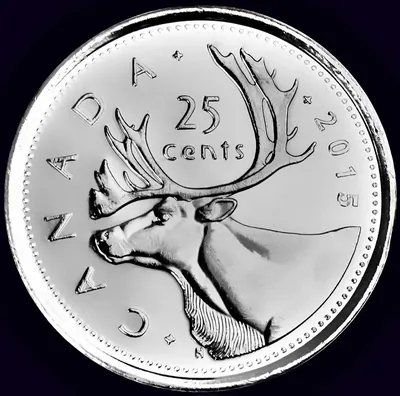
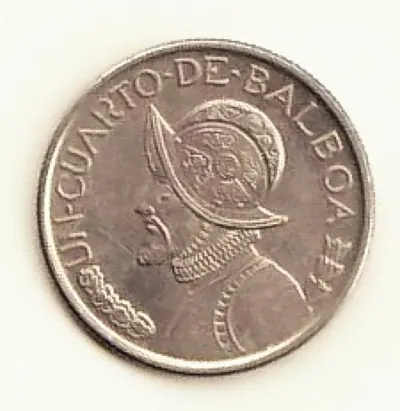
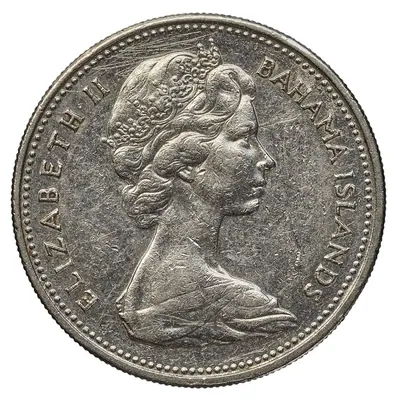
Foreign coins slip into US change because some are almost the same size as US coins. Cashiers and vending machines often don’t notice. Most of what you’ll find is Canadian, with Bermuda, Bahamas, Panama, UK and euro coins now and then.
What they’re worth:
- Most are worth face value in their own currency or less. US banks generally won’t take them, so in practice they’re worth little unless you travel.
- Canadian silver is the real prize in change. Dimes and quarters dated 1967 or earlier are 80% silver, and some 1967–1968 coins are 50% silver. They’re worth melt value, shown live in the silver table above.
- A few Canadian varieties pay well, such as the 1955 cent with no shoulder fold or the 1969 large date dime. The rare-coins table above lists them.
Why foreign coins end up in US change
CoinWeek describes the main pipeline: Canadian travelers spend their coins in the US, and Canadian 1¢, 5¢, 10¢ and 25¢ coins “are similar in size to U.S. coins of the same denominations.” They’re most common near the border, in places like Detroit and upstate New York, and in snowbird areas such as Florida. They get much rarer far from the border.
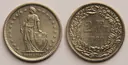
The ANA’s blog adds two more routes. Vending machines calibrated for US coins let some foreign coins through. And in places far from Canada, coin-counting machine rejects turn up more small euro and UK coins than Canadian ones. One blogger found a Swiss half-franc “masquerading as a U.S. dime.”
Once a foreign coin is in a cash drawer, it can circulate for years because few people check.
How to spot a foreign coin
The size table above shows how close some of them are. Quick checks:
- Read the country name. CANADA, BERMUDA, BAHAMAS, BAHAMA ISLANDS, PANAMÁ or EAST CARIBBEAN STATES. UK coins have no country name, only the monarch’s Latin titles.
- Look for a monarch. Canadian, Bermuda, Bahamas and UK coins show the Queen or the King. No US coin does.
- Try a magnet. Modern Canadian quarters are nickel-plated steel and stick to a magnet. US quarters don’t.
- Compare sizes. A Canadian quarter is slightly smaller than a US quarter (23.88 vs 24.26 mm). A Bermuda 25 cents is slightly larger (25.0 mm).
The perfect match: Panama
Panama’s balboa coins are a special case. Its modern 1 and 5 centésimo, 1/10, 1/4 and 1/2 balboa coins have the same weight, dimensions and composition as US coins. The balboa has been on par with the US dollar since 1904. A Panama quarter balboa, like the one in the photo, works in many machines that take US quarters. It’s still foreign money and isn’t legal tender in the US.
What each country’s coins are worth
Canada
Canadian coins are worth their face value in Canadian money, which is less than the same face in US money because the Canadian dollar trades below the US dollar. In the 1980s and 1990s, the ANA blog notes, a Canadian quarter was worth about 18 US cents, and in border towns people passed them at face anyway.
What to pull:
- Silver dimes and quarters. Canada used 80% silver until 1967. That year a proclamation cut silver to 50%, so 1967 coins come in both alloys, and 1968 coins come in 50% silver and in pure nickel. From 1968 the coins are nickel and magnetic. You can’t reliably tell 80% from 50% by eye; the date is your guide.
- Varieties. The 1955 no shoulder fold cent is missing the fold line on the Queen’s gown; a PCGS AU58 sold for US$488.75. The 1969 large date dime is a great rarity, with fewer than 20 known. Our Canadian quarter value and rare Canadian coins guides list more.
- Old cents. Canada stopped making cents in 2012. Low-mintage dates from the 1920s and varieties are collectible; ordinary dates are worth a cent.
Bermuda and the Bahamas
Both currencies are pegged 1:1 to the US dollar. Bermuda’s dollar circulates alongside the US dollar on equal terms at home. Their coins are close to US sizes; the Bahamas 5 and 25 cents are about the same size but use different metals. So a Bermuda or Bahamas coin is worth roughly its face in US terms, but only where it can be spent. Most are common. In 1966 the Bahamas issued circulating silver only in the 50 cents and $1, so a Bahamas quarter isn’t silver.
UK and euro coins
A UK 5p (18 mm) is close to a US dime, and a 10p (24.5 mm) close to a US quarter. Small euro cents also turn up. They’re common and worth face value in their home currency. If you collect them, our foreign coin identifier helps with legends and dates.
East Caribbean
The East Caribbean dollar has been pegged at US$1 = EC$2.70 since 1976, so an EC 25 cents is worth only about 9 US cents.
What to do with foreign coins you find
- Pull and keep any silver. Canadian dimes and quarters dated 1967 or earlier are worth their silver; sell to a coin shop with other silver or keep them.
- Check Canadian coins for varieties before spending them on.
- Don’t try to bank them. Bank of America, for one, says it doesn’t accept foreign coins. Spend them when you travel, use them in a border town, or donate them to an airport charity collection.
- Never feed them into machines as US money. Using a foreign coin to pay as if it were US currency isn’t honest, even if the machine takes it.
How to check your coin with CoinLens
Not sure where a coin is from? Photograph both sides with Coin Identifier – CoinLens (iPhone and Android). The AI identifies the coin within seconds from a database of almost 500,000 coins worldwide and shows its country, year, composition and an instant value estimate. That tells you straight away whether your Canadian quarter is a silver date. Free scans are limited; Premium unlocks unlimited scans.
Frequently asked questions
Are Canadian coins worth anything in the US?
Usually slightly less than face value, because the Canadian dollar is worth less than the US dollar, and most US banks won’t accept them. The exceptions are Canadian dimes and quarters dated 1967 or earlier (80% silver), some 1967–68 coins (50% silver), and rare varieties such as the 1955 no-shoulder-fold cent.
Which Canadian coins are silver?
Dimes and quarters dated 1920–1966 are 80% silver, as are some 1967s. Some 1967 and 1968 coins are 50% silver. From 1968 the dime and quarter switched to pure nickel, which sticks to a magnet.
Why is there a Canadian quarter in my change?
Canadian coins are close in size to US coins, so cashiers and many vending machines accept them, and Canadian travelers spend them in the US. CoinWeek notes they’re most common near the border and in snowbird areas such as Florida.
What is a Bermuda penny worth?
Bermuda’s dollar is pegged 1:1 to the US dollar, so a Bermuda cent is worth one cent in Bermuda. In the US it’s a foreign coin that most banks won’t take.
Is a Panama quarter the same as a US quarter?
In size, weight and metal, yes: Panama’s modern balboa coins match US coins exactly, and the balboa has been worth one US dollar since 1904. But it isn’t US money and isn’t legal tender in the US.
Can I exchange foreign coins at a US bank?
Generally no. Big US banks such as Bank of America say they don’t accept foreign coins. Spend them abroad, sell silver ones to a dealer, or donate them to an airport or charity collection.
How do I tell a Canadian quarter from a US quarter?
Look for CANADA and the caribou on the back, and the monarch on the front. A Canadian quarter is slightly smaller (23.88 mm vs 24.26 mm), and modern ones are nickel-plated steel that sticks to a magnet.
Sources
- CoinWeek (Feb 2017): US and Canadian coins as circulation finds on both sides of the border
- ANA blog (Aug 2024): World coins in US change (vending machines, counter rejects)
- Bank of America currency exchange FAQ (no foreign coins)
- Wikipedia: Coins of the United States dollar (specifications)
- Wikipedia: Coins of the Canadian dollar
- Wikipedia: Dime (Canadian coin) (silver dates, 1936 dot, 1969 large date)
- Wikipedia: Quarter (Canadian coin) (silver dates, 1967–68 alloys)
- Wikipedia: Penny (Canadian coin) (1936 dot cent)
- NGC Auction Central: 1955 Canada no shoulder fold 1c (PCGS AU58 Brown, Heritage, Jan 12 2004, lot 340/14314, US$488.75)
- CoinVarieties: Canada 1936 25 cents dot, Heritage sale 3035 lot 30194, MS61 PCGS, $1,410 (Sept 2014)
- Wikipedia: Bermudian dollar (peg, coin sizes)
- Wikipedia: Bahamian dollar (peg, coin sizes)
- Wikipedia: Panamanian balboa (coins identical to US)
- Wikipedia: East Caribbean dollar (peg EC$2.70)
- Wikipedia: Coins of the pound sterling (5p, 10p sizes)
Values are estimates, not offers. Condition decides the price; for a valuable coin, get a professional grade.