How to Tell If a Coin Is Fake (7 Checks Anyone Can Do)
Weigh and measure the coin against its official specs, then check the magnet, edge, details and mint mark. Key dates are faked most: a genuine 1955 doubled die cent sold for $287,156 (PCGS MS65+RD, GreatCollections, January 2023), which is why copies are everywhere.
Have one in hand? Scan it with CoinLens to identify it and see an estimate in seconds.
| Coin | Weight | Diameter | Magnetic? |
|---|---|---|---|
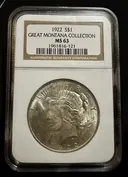
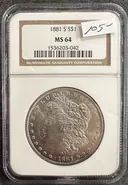
| Morgan / Peace silver dollar | 26.73 g | 38.1 mm | No |
| 90% silver quarter (1964 and earlier) | 6.25 g | 24.3 mm | No |
| American Silver Eagle (1 oz) | 31.103 g | 40.6 mm | No |
| $20 Saint-Gaudens double eagle | 33.436 g (516 grains, US Mint standard) | 34 mm | No |
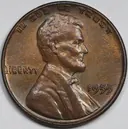
| 1943 steel cent | 2.70 g | 19 mm | Yes |
| 1943 bronze error cent | 3.11 g | 19 mm | No |
Which one is yours? Check it with CoinLens →
Legal specifications from the US Mint and the coin articles cited below. Worn coins can weigh slightly less; a genuine coin should still be very close.
DEMO
Check your How to Tell If a Coin Is Fake (7 Checks Anyone Can Do)
Add a photo of each side
Add a photo of at least one side first.
Demo — photos stay on your device. Nothing is uploaded.
DEMO
Your photos are ready. The identification happens in the CoinLens app.
On the web this is a demo — it can't recognize coins. In the app, the same two photos give you the coin's name, details and a value estimate.
Scan these in the free appEXAMPLE — what CoinLens shows
Value estimate:
Sample from our guide's data, not a result for your photo.
That was a sample. Scan your coin →·
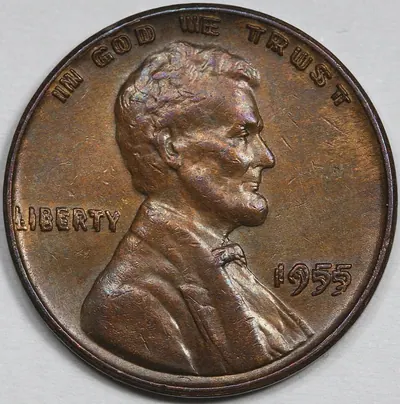
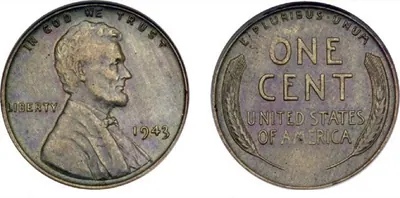
You can catch most fakes at home with a digital scale (0.01 g), a caliper or ruler, a magnet and a 5x–10x magnifier. Run the checks below in order. If a coin fails any of them, treat it as fake until a grading service says otherwise. If it passes all of them and it’s valuable, get it authenticated anyway.
1. Weigh it
Weight is the single best home test. Counterfeiters rarely match both size and weight with the right metal. Compare with the spec table above. A Morgan dollar that weighs 24 g, or a quarter-ounce “gold” coin that’s a gram light, is fake.
2. Measure the diameter and thickness
A fake made to the right weight in a lighter metal will be thicker or wider than the real coin. Measure with a caliper, or lay it next to a known genuine coin of the same type.
3. Use a magnet
Silver, gold, copper and the copper-nickel alloy in US nickels are not magnetic (pure nickel is, but US 5-cent coins are 75% copper). If a “silver” or “gold” coin sticks to a magnet, it’s fake. The exception: 1943 steel cents are supposed to stick — and a “copper” 1943 cent that sticks is a plated steel cent.
4. Check the edge
Look at the reeding (ridges) or edge lettering. Fakes often have uneven, too-few or too-coarse reeds, or a visible seam from a cast fake made in two halves. On clad coins, a copper stripe on a coin that should be silver gives it away.
5. Look at the details and surfaces
Under magnification, genuine struck coins have crisp, sharp details and flowing luster. Warning signs:
- Soft, mushy details or tiny bubbles and pits (cast fakes).
- Repeated “tool marks” or raised lumps in the same spot on many coins (fakes made from a transfer die).
- Wrong font or shapes in the date and letters compared with a certified example.
- Strange color, like a greasy gray or overly bright yellow on “gold”.
6. Inspect the mint mark and date
Key dates are often made by altering a common coin: adding an S or D, or changing a digit (1948 into 1943, for example). Look for a mint mark that sits on the surface, has a seam around it, or has a different color or texture than the field. A 1909-S VDB with an added S is a classic.
7. Ask: is the price too good?
A “rare” coin far below its usual price, especially from overseas sellers or social-media ads, is a red flag. Replica coins are widely sold online.
When to get it authenticated
If a coin is worth more than about the cost of grading, send it to PCGS or NGC. They authenticate, grade and guarantee the coin. If it’s already in a holder, verify the certification number on the grading service’s website and check that the coin and holder match the photo. Our guide on how to get coins graded covers the process.
How to check your coin with CoinLens
Coin Identifier – CoinLens (iOS) identifies what a coin is meant to be — type, year, composition — from photos of both sides, using a database of almost 500,000 coins, and shows an estimated value. That tells you which weight and size to test against. It cannot detect counterfeits; use the physical tests above. Free scans are limited; Premium unlocks unlimited scans. Download CoinLens on the App Store.
Where to buy and sell safely
Buy valuable coins certified by PCGS or NGC, from established dealers or auction houses with return policies. When selling, a certified coin reaches more buyers and avoids authenticity disputes.
Frequently asked questions
Does a magnet test tell if a coin is fake?
It catches many fakes. Silver, gold, copper and the copper-nickel alloy in US nickels aren’t magnetic, so a ‘silver dollar’ or ‘gold coin’ that sticks to a magnet is fake. Passing the test doesn’t prove a coin is genuine, because some fakes use non-magnetic base metals.
How do I know if my silver dollar is fake?
Weigh it (26.73 g for Morgan and Peace dollars), measure it (38.1 mm), and check that it doesn’t stick to a magnet. Then compare details, the mint mark and the edge reeding with photos of a certified example. Many Chinese-made copies are underweight or magnetic.
Are coins in PCGS or NGC holders always genuine?
Coins certified by PCGS or NGC are guaranteed by the grading service, but counterfeit holders exist. Look up the certification number on the service’s website and compare the photo with your coin.
What coins are faked most often?
Key dates and errors (1909-S VDB and 1914-D cents, 1916-D dimes, 1955 doubled die cents, 1943 bronze cents), Morgan and Trade dollars, gold coins, and popular bullion such as Silver Eagles.
Can an app tell if a coin is fake?
No photo app can reliably authenticate a coin. An app like CoinLens can identify what the coin is supposed to be, so you know which specs to check, but authentication needs the physical tests above or a grading service.
Sources
- US Mint coin specifications
- Morgan dollar specifications (Wikipedia)
- Washington quarter specifications (Wikipedia)
- American Silver Eagle specifications (Wikipedia)
- Saint-Gaudens double eagle specifications (Wikipedia)
- 1943 steel cent (Wikipedia)
- Lincoln cent collection tops $7.7 million at GreatCollections: 1955 DDO $287,156.25 (CoinNews)
- PCGS cert verification
- NGC certification verification
Values are estimates, not offers. Condition decides the price; for a valuable coin, get a professional grade.