Brockage Error Coins: Mirror-Image Mint Errors Explained
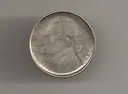
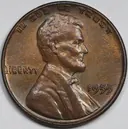
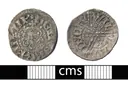
A brockage shows a normal design on one side and a sunken, mirror-image copy of the other side's design, pressed in by a coin stuck to the die. Full, sharp brockages are prized: an 1874 gold dollar first-strike brockage sold three times at Heritage for $30,550–$32,312.50 (2011–2015).
Have one in hand? Scan it with CoinLens to identify it and see an estimate in seconds.
| Type | What you see |
|---|---|
| Full brockage (first strike) | Complete, sharp mirror image of the other side, sunken into the coin |
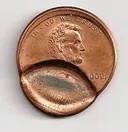
| Partial brockage | Mirror image covers only part of one side, often with an off-center coin involved |
| Capped brockage | Mirror image spread and distorted, from a stuck coin that has started to form a die cap |
Which one is yours? Check it with CoinLens →
Descriptions from the Mint-made errors and CoinWeek references cited.
DEMO
Check your Brockage Error Coins: Mirror-Image Mint Errors Explained
Add a photo of each side
Add a photo of at least one side first.
Demo — photos stay on your device. Nothing is uploaded.
DEMO
Your photos are ready. The identification happens in the CoinLens app.
On the web this is a demo — it can't recognize coins. In the app, the same two photos give you the coin's name, details and a value estimate.
Scan these in the free appEXAMPLE — what CoinLens shows
Value estimate:
Sample from our guide's data, not a result for your photo.
That was a sample. Scan your coin →·
| Coin | Sold | Where, when |
|---|---|---|
| 1874 gold dollar, first-strike obverse brockage of the reverse | $30,550–$32,312.50 (sold three times) | Heritage, 2011–2015 (per CoinWeek) |
Which one is yours? Check it with CoinLens →
Top result for a unique gold brockage, not a typical value. Modern cent brockages sell for much less.
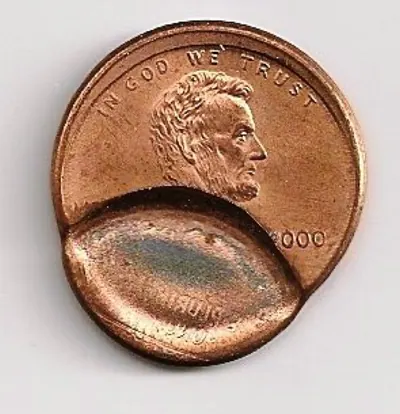
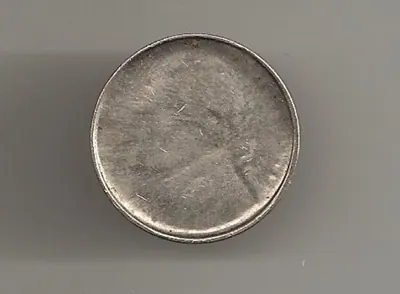
A brockage is a coin that was struck by another coin rather than by a die. A just-struck coin stuck to one die, and the next blank was pressed against it. That blank comes out with a normal design on one side and a sunken, mirror-image copy of the stuck coin’s design on the other.
How brockages form
- A struck coin sticks to the hammer (or anvil) die.
- A new blank enters and is pressed between the stuck coin and the other die.
- The new coin gets a normal design from the die and a reversed, incuse design from the stuck coin.
- As the stuck coin is struck again and again, it spreads and becomes a die cap, so later brockages are distorted (“capped brockages”).
How to identify a brockage
- One side has a mirror-image design — letters read backwards.
- The mirror design is sunken, not raised.
- The coin has normal weight and size.
- The design is even and sharp, without the crushed rims of post-mint damage.
What brockages sell for
The best-known result: an 1874 gold dollar first-strike brockage, a perfect reversed image of the reverse on the obverse, sold three times at Heritage between 2011 and 2015 for $30,550 to $32,312.50, per CoinWeek. Modern cent brockages are far more common and sell for much less. See our die cap error guide for the related error.
How to check your coin with CoinLens
Coin Identifier – CoinLens (iOS) identifies the coin’s type and date from photos of both sides and shows an estimated value for the normal coin. It doesn’t detect or certify brockages; check for reversed lettering and get major errors graded. Free scans are limited; Premium unlocks unlimited scans. Download CoinLens on the App Store.
Where to sell
Error specialists and auction houses with error sections are the best outlets for full brockages. Certify first; include a photo showing the reversed lettering.
Frequently asked questions
What is a brockage error?
A coin struck by another coin instead of a die. When a struck coin sticks to a die, the next blank is pressed against it and picks up a mirror-image, sunken (incuse) copy of the stuck coin’s design.
How much is a brockage worth?
It depends on how complete and sharp the brockage is, and the coin type. Full, centered brockages on larger or gold coins bring thousands; partial or capped brockages on modern cents bring much less.
How can I tell a brockage from damage?
A real brockage is a complete, reversed design with even depth, normal luster and correct weight. Damage, like a coin pressed against another outside the mint, leaves distorted rims, flattened detail on both sides and tool marks.
Is a brockage the same as a die cap?
They come from the same event. The stuck coin makes brockages on the blanks it’s struck into; after many strikes, the stuck coin itself becomes a die cap.
Do brockages need grading?
Major ones do. PCGS and NGC attribute brockages on the label, which buyers rely on given how easily damaged coins are mistaken for them.
Sources
- Ten extreme US error coins: 1874 gold dollar brockage sold three times at Heritage, $30,550–$32,312.50 (CoinWeek)
- Unique 1800 S-209 obverse brockage cent at Stack's Bowers (CoinWeek)
- Peripherally incomplete centered circular brockages (CoinWeek)
- Mint-made errors (Wikipedia)
Values are estimates, not offers. Condition decides the price; for a valuable coin, get a professional grade.