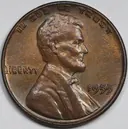
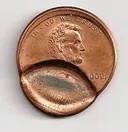
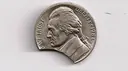
Lamination Error Coins: Value and How to Identify Them
A lamination error is a planchet flaw where trapped impurities make the metal flake, peel or split. Small flakes on modern coins add little; dramatic laminations on scarce coins can add value: an 1861-D gold dollar with a dramatic lamination sold for $26,400 (Stack's Bowers, August 2024).
Have one in hand? Scan it with CoinLens to identify it and see an estimate in seconds.
| Type | What you see | Notes |
|---|---|---|
| Lamination flake / crack | A thin layer lifted or missing, often with a curved crack | Most common form |
| Peeled cladding | Outer layer of a clad coin missing, copper core showing | Clad dimes, quarters, halves |
| Split planchet | Coin split into a thinner piece along a lamination | Can be split before or after striking |
Which one is yours? Check it with CoinLens →
Definitions from the Mint-made errors reference cited. The 1861-D gold dollar sale is a single record for a scarce coin, not a typical value.
DEMO
Check your Lamination Error Coins: Value and How to Identify Them
Add a photo of each side
Add a photo of at least one side first.
Demo — photos stay on your device. Nothing is uploaded.
DEMO
Your photos are ready. The identification happens in the CoinLens app.
On the web this is a demo — it can't recognize coins. In the app, the same two photos give you the coin's name, details and a value estimate.
Scan these in the free appEXAMPLE — what CoinLens shows
Value estimate:
Sample from our guide's data, not a result for your photo.
That was a sample. Scan your coin →·
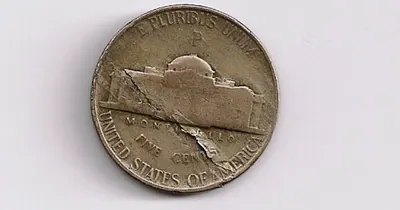
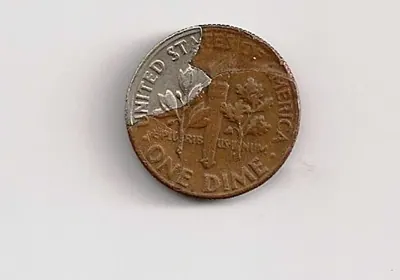
A lamination error is a flaw in the coin’s metal, not in the die. Impurities trapped in the metal strip create a weak layer that can flake, peel, crack or split when the coin is struck. Most are small and add little value; big, dramatic laminations and those on scarce coins can add a lot.
How to identify a lamination error
- Flake or crack: a thin layer of metal lifted or missing, often with a curved edge.
- Peeled cladding: on clad dimes, quarters and halves, the outer layer missing so the copper core shows.
- Split planchet: the coin has split into a thinner piece along a lamination line, showing a rough, layered interior on one side.
- Texture: the edges of the flaw are layered and flaky, while the rest of the coin keeps its normal surface.
Lamination vs damage
Corrosion, heat and acid also make surfaces look rough. A lamination is a localized, layered defect; damage tends to be bubbly, pitted or uniform across the coin and dulls the luster around it. If the coin’s weight is far off normal, suspect damage or a split.
What makes a lamination valuable
- Size and drama — large laminations or fully split planchets.
- Scarce coins — CoinWeek reports an 1861-D gold dollar with a dramatic lamination sold for $26,400 at Stack’s Bowers in August 2024. That’s a scarce Civil War–era Dahlonega gold coin with an error, not a typical lamination value.
- Condition and certification — errors attributed on a PCGS or NGC label sell more easily.
Our error coins list with pictures covers other mint errors to look for.
How to check your coin with CoinLens
Coin Identifier – CoinLens (iOS) identifies the coin and year from photos of both sides and shows its composition and an estimated value for the normal coin — handy for knowing if you’re holding a common modern coin or something scarce. It doesn’t detect laminations. Free scans are limited; Premium unlocks unlimited scans. Download CoinLens on the App Store.
Where to sell
Dramatic laminations and split planchets sell through error specialists and auctions; minor flakes sell in error lots or on eBay. Photograph the flaw at an angle so the layered texture shows.
Frequently asked questions
How much is a lamination error worth?
Small flakes and cracks on modern coins usually bring small premiums. Large, dramatic laminations, split planchets and laminations on silver, gold or scarce coins bring more. Check sold listings for your coin type and size of flaw.
What causes a lamination error?
Gas, dirt, grease or other impurities trapped in the metal strip weaken it. When the blank is struck, a layer can flake, peel or split away. It’s a planchet error, made before the strike.
Is a lamination error the same as damage?
No, but they can look similar. A real lamination has a flaky, layered texture at the edges of the flaw and the surrounding surface keeps its luster. Heat, acid or corrosion damage looks bubbly, pitted or uniformly rough.
Can clad coins have lamination errors?
Yes. On clad dimes, quarters and halves, the outer copper-nickel layer can peel away and expose the copper core. Collectors call this peeled or missing cladding, a lamination-type planchet error.
Should I grade a lamination error?
Only dramatic ones or those on valuable coins. For typical flakes on modern coins, grading fees will exceed any premium.
Sources
- Mint-made errors: lamination flaw and split planchet (Wikipedia)
- Extremely rare 1861-D $1 gold lamination mint error realizes $26,400, Stack's Bowers Aug 2024 (CoinWeek)
- Jefferson nickel wartime alloy (Wikipedia)
Values are estimates, not offers. Condition decides the price; for a valuable coin, get a professional grade.