Coin Values by Year: How Much Are US Coins Worth?
Year is the first clue to a coin's value: US dimes, quarters and halves dated 1964 or earlier are 90% silver, pre-1982 cents are copper, and a few dates are rare. The key 1893-S Morgan dollar sold for $2,086,875 (PCGS MS67 CAC, GreatCollections, August 2021).
Have one in hand? Scan it with CoinLens to identify it and see an estimate in seconds.
| Year(s) | Coin | Why it matters |
|---|---|---|
| 1964 and earlier | Dimes, quarters, half dollars | 90% silver: worth at least melt |
| 1965–1970 | Kennedy half dollars | 40% silver |
| 1942–1945 | Jefferson nickels (large mint mark over Monticello) | 35% silver ‘war nickels’ |
| 1943 | Lincoln cents | Steel year; bronze 1943 cents are rare errors |
| 1981 and earlier (some 1982) | Lincoln cents | 95% copper (3.11 g); later cents are zinc (2.5 g) |
| 1933 and earlier | US gold coins | Worth at least gold melt |
Which one is yours? Check it with CoinLens →
Composition dates from the US Mint and the coin articles cited. Use the year lists below for values.
DEMO
Check your Coin Values by Year: How Much Are US Coins Worth?
Add a photo of each side
Add a photo of at least one side first.
Demo — photos stay on your device. Nothing is uploaded.
DEMO
Your photos are ready. The identification happens in the CoinLens app.
On the web this is a demo — it can't recognize coins. In the app, the same two photos give you the coin's name, details and a value estimate.
Scan these in the free appEXAMPLE — what CoinLens shows
Value estimate:
Sample from our guide's data, not a result for your photo.
That was a sample. Scan your coin →·
| Denomination | Years | Composition | What it means |
|---|---|---|---|
| Cent | 1909–1942 | Bronze (95% copper) | Copper value; check key dates |
| Cent | 1943 | Zinc-coated steel | Sticks to a magnet; bronze 1943s are rare errors |
| Cent | 1944–1946 | Brass from recycled shell casings | Common |
| Cent | 1947–1982 | 95% copper (3.11 g) | Copper cents worth saving |
| Cent | 1982–present | Copper-plated zinc (2.5 g) | Weigh 1982 cents: both exist |
| Nickel | 1866–present (except 1942–1945) | 75% copper, 25% nickel | Face value unless a key date or variety |
| Nickel | Late 1942–1945 | 35% silver ‘war nickel’ | Large P, D or S above Monticello |
| Dime, quarter, half | 1964 and earlier | 90% silver | Worth at least melt |
| Dime, quarter | 1965–present | Copper-nickel clad | Copper stripe on the edge |
| Half dollar | 1965–1970 | 40% silver (clad) | Worth melt |
| Half dollar | 1971–present | Copper-nickel clad (circulation) | Face value unless a variety |
| Dollar | 1878–1935 (Morgan, Peace) | 90% silver | Worth melt or more |
| Dollar | 1971–1978 (Eisenhower) | Copper-nickel; 40% silver on S collector coins | Check for an S |
| Dollar | 1979–present (small dollars) | Copper-nickel clad; manganese-brass ‘golden’ from 2000 | Face value unless a variety |
Which one is yours? Check it with CoinLens →
Compositions from the Wikipedia series articles and the Coinage Act of 1965 (see sources). Proof and collector issues can differ.
| Coin | Mintage | Why it's key |
|---|---|---|
| 1909-S VDB Lincoln cent | 484,000 | Lowest-mintage regular Lincoln cent |
| 1914-D Lincoln cent | 1,193,000 | Key Denver wheat cent |
| 1931-S Lincoln cent | 866,000 | Depression-era low mintage |
| 1950-D Jefferson nickel | 2,630,030 | Lowest regular Jefferson nickel |
| 1916-D Mercury dime | 264,000 | Key to the series |
| 1932-D Washington quarter | 436,800 | First-year key |
| 1932-S Washington quarter | 408,000 | First-year key |
| 1921-D Walking Liberty half | 208,000 | Key to the series |
| 1970-D Kennedy half | 2,150,000 | Made only for mint sets |
| 1889-CC Morgan dollar | 350,000 | Rarest Carson City Morgan |
| 1893-S Morgan dollar | 100,000 | Lowest-mintage regular Morgan |
Which one is yours? Check it with CoinLens →
Mintages from the Wikipedia series articles cited. A key date is valuable even worn; check the year guide for sold prices by grade.
| Denomination | Design | Years |
|---|---|---|
| Cent | Indian Head | 1859–1909 |
| Cent | Lincoln (wheat reverse) | 1909–1958 |
| Cent | Lincoln (Memorial, then shield) | 1959–2008, 2010–present |
| Nickel | Liberty Head / Buffalo | 1883–1913 / 1913–1938 |
| Nickel | Jefferson | 1938–present |
| Dime | Barber / Mercury / Roosevelt | 1892–1916 / 1916–1945 / 1946–present |
| Quarter | Barber / Standing Liberty / Washington | 1892–1916 / 1916–1930 / 1932–present |
| Half dollar | Barber / Walking Liberty / Franklin / Kennedy | 1892–1915 / 1916–1947 / 1948–1963 / 1964–present |
| Dollar | Morgan / Peace / Eisenhower / Anthony / Sacagawea | 1878–1904, 1921 / 1921–1935 / 1971–1978 / 1979–1981, 1999 / 2000–present |
Series dates from Wikipedia. 2009 cents carried four Lincoln Bicentennial reverses. No quarters are dated 1931.
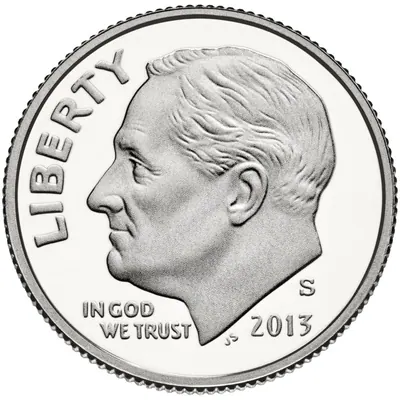
Find your coin’s denomination and year below and open its guide. If your exact year isn’t listed yet, use the rules in the table above: silver years, copper years and wartime alloys set the floor value of most older US coins.
US coin value guides by year
Start with the denomination roundups — pennies, nickels, dimes, quarters, half dollars and dollar coins worth money — or jump straight to your year:
Pennies (cents)
- 1790s: 1793 chain
- 1850s: 1856 flying eagle
- 1860s: 1864 L Indian head · 1869 Indian head
- 1870s: 1872 Indian head · 1873 Indian head · 1877 Indian head
- 1900s: 1908-S Indian head · 1909 VDB · 1909-S Indian head · 1909-S VDB
- 1910s: 1914-D · 1917 doubled die
- 1920s: 1922 plain
- 1930s: 1931-S
- 1940s: 1941 · 1942 · 1943 copper · 1943 steel · 1944 steel · 1944 wheat
- 1950s: 1950 · 1955 · 1955 doubled die · 1958 · 1959
- 1960s: 1960 · 1964 · 1965 · 1967 · 1968 · 1969 · 1969-S doubled die
- 1970s: 1970-S · 1972 doubled die · 1974 aluminum · 1979
- 1980s: 1982 · 1983 · 1984 · 1984 doubled ear
- 1990s: 1990 · 1992 close AM · 1995 · 1995 doubled die · 1997 doubled ear · 1998 wide AM · 1999 · 1999 wide AM
- 2000s: 2000 wide AM · 2009
- 2010s: 2017-P
Nickels
- 1880s: 1883 no
- 1930s: 1937 · 1937-D three legged Buffalo · 1938 · 1939
- 1940s: 1942 · 1943 · 1944 · 1945 · 1946
- 1950s: 1950-D · 1953
- 1960s: 1960 · 1964
- 1970s: 1971 no-S proof
- 2000s: 2005 Bison error
Dimes
- 1890s: 1894-S
- 1910s: 1916-D Mercury
- 1940s: 1942 over 41 · 1946
- 1960s: 1964 · 1965 · 1968 no-S proof
- 1970s: 1970 no-S proof · 1975 no-S proof
- 1980s: 1982 no mint mark
- 1990s: 1996-W
Quarters
- 1930s: 1932 · 1934 · 1935 · 1936 · 1937 · 1938
- 1940s: 1940 · 1941 · 1947
- 1950s: 1951
- 1960s: 1960 · 1963 · 1964 · 1964-D · 1965 · 1966 · 1967
- 1970s: 1970 · 1776–1976 · 1979
- 1980s: 1981 · 1982 · 1983
- 1990s: 1999 · 1999 Delaware error
- 2000s: 2000 · 2001 · 2002 · 2003 · 2004 · 2004 Wisconsin · 2005 · 2006 · 2007 · 2008 · 2009 DC and territories
- 2010s: 2019-W
- 2020s: 2020-W · 2021 · 2022
Half dollars
- 1960s: 1964 Kennedy · 1964 SMS Kennedy · 1964-D · 1965–1970 · 1966 · 1967
- 1970s: 1971 · 1972 · 1974 · 1776–1976
Dollar coins
- 1800s: 1804
- 1870s: 1878 Morgan
- 1880s: 1881-S Morgan · 1883-O Morgan · 1889-CC Morgan
- 1890s: 1893-S Morgan · 1896 Morgan
- 1900s: 1904-O Morgan
- 1920s: 1921 Morgan · 1922 Peace · 1923 Peace
- 1960s: 1964 Peace
- 1970s: 1971 Eisenhower · 1972 Eisenhower · 1776–1976 Eisenhower · 1979 Susan B Anthony
- 2000s: 2000 Sacagawea
- 2020s: 2021 Morgan and Peace
How to use this page
- Find the date and mint mark on your coin. The date is on the front of every US coin; the mint mark’s location depends on the series (see below).
- Check the composition table above. Many older coins are worth at least their metal: silver for dimes, quarters and halves dated 1964 or earlier, copper for cents from 1982 and earlier.
- Check the key-date table. If your year and mint is on it, the coin is worth far more than its metal even in worn condition.
- Open the year guide in the lists above for sold prices by grade and the varieties and errors to look for in that year.
If you’re not sure which design you have, the third table lists which design was in use in each year, from Indian Head cents to today’s coins.
Why the year matters so much
A coin’s year tells you three things at once.
What it’s made of. The biggest jumps in value follow changes in metal. The Coinage Act of 1965 took silver out of dimes and quarters and cut the half dollar to 40% silver until 1970, so 1964 is a dividing line: a worn 1964 quarter is worth several dollars in silver, a 1965 quarter is worth 25 cents. Cents switched from 95% copper to copper-plated zinc during 1982. The wartime years add exceptions: steel cents in 1943 and 35% silver nickels from late 1942 to 1945.
How many were made. Mintages vary enormously from year to year and mint to mint. The 1916-D Mercury dime had a mintage of 264,000, while Roosevelt dimes are struck by the hundreds of millions. The low-mintage years in the key-date table are the ones collectors compete for, and the same date can be common from one mint and scarce from another.
Which varieties to look for. Some years are known for errors and die varieties: the 1955 and 1972 doubled-die cents, the 1982 dime without a mint mark, the 2004-D Wisconsin Extra Leaf quarter. Each year guide lists what to check for that date.
Coin values by decade: the short version
- Before 1909: Indian Head cents, Liberty and Shield nickels, Barber and Seated silver, Morgan dollars. Almost everything this old is worth more than face; silver pieces are worth at least melt.
- 1909–1964: wheat cents, Buffalo and early Jefferson nickels, Mercury and early Roosevelt dimes, Standing Liberty and silver Washington quarters, Walking Liberty, Franklin and 1964 Kennedy halves, Peace dollars. All the dimes, quarters and halves are 90% silver.
- 1965–1981: clad dimes and quarters, 40% silver Kennedy halves through 1970, Eisenhower dollars, and copper cents. Value comes from silver halves, copper cents, varieties and high grades.
- 1982–today: zinc cents and clad coins. Value comes almost entirely from varieties, errors, W mint marks and top-grade coins.
How to read the date and mint mark
The date is on the obverse (front) of every US coin. The mint mark is a small P, D, S, W, O or CC showing where the coin was struck, and it often makes the difference between a common coin and a valuable one. Its location changes by series. On most coins from 1968 on it’s on the front near the date; on older coins it’s usually on the back. Our guide to where the mint mark is shows every US series. Coins dated 1965–1967 have no mint mark at all.
How to check your coin with CoinLens
Can’t read the date, or not sure which series you have? Photograph both sides with Coin Identifier – CoinLens (iPhone and Android). The AI identifies the coin and its minting years within seconds from a database of almost 500,000 coins and shows an instant value estimate. Free scans are limited; Premium unlocks unlimited scans. Then open the matching year guide above for sold prices by grade.
Where to sell
Common-date silver sells by weight to coin shops and bullion dealers. Key dates, errors and high-grade coins sell best after grading, at auction or to specialist dealers. Check each year guide for the details that matter.
Frequently asked questions
How do I find out what my coin is worth by year?
Find the date and mint mark, then open the guide for that year and denomination below. Each guide gives real sale records by grade and lists the varieties and errors to check for.
What years of coins are worth the most?
For silver content, dimes, quarters and halves dated 1964 or earlier. For rarity, specific key dates such as 1909-S VDB and 1914-D cents, 1916-D dimes, 1932-D and 1932-S quarters, and 1893-S Morgan dollars.
Are coins from 1964 worth more?
Yes. 1964 is the last year US dimes, quarters and half dollars were made in 90% silver, so they’re worth at least their silver melt value, far above face.
What year pennies are worth money?
Copper cents from 1981 and earlier are worth saving, and key dates like 1909-S VDB, 1914-D, 1922 plain and 1931-S, plus errors like 1955 and 1972 doubled dies, are worth much more. See the penny list below.
Is my year missing?
We add new year guides every week. If your year isn’t listed yet, the series guides and the silver and copper rules above still tell you a lot.
Sources
- Coinage Act of 1965 (Wikipedia)
- Kennedy half dollar composition by year (Wikipedia)
- Jefferson nickel wartime alloy (Wikipedia)
- Lincoln cent composition changes (Wikipedia)
- 1893-S Morgan $2,086,875 at GreatCollections (CoinWeek)
- Wikipedia: Lincoln cent mintage figures
- Wikipedia: Indian Head cent
- Wikipedia: Mercury dime (1916-D mintage)
- Wikipedia: Roosevelt dime
- Wikipedia: Barber coinage
- Wikipedia: Washington quarter (1932-D, 1932-S mintages)
- Wikipedia: Standing Liberty quarter
- Wikipedia: Walking Liberty half dollar (1921-D mintage)
- Wikipedia: Washington quarter mintage figures (1932-D 436,800; 1932-S 408,000)
- Newman Numismatic Portal: 1921-D Walking Liberty half dollar (mintage 208,000)
- Numismatic News: 1921-D half pricey coin in high grades
- Wikipedia: Franklin half dollar
- Wikipedia: Buffalo nickel
- Wikipedia: Liberty Head nickel
- Wikipedia: Morgan dollar (1889-CC, 1893-S mintages)
- Wikipedia: Peace dollar
- Wikipedia: Eisenhower dollar
- Wikipedia: Susan B. Anthony dollar
- Wikipedia: Sacagawea dollar
- Wikipedia: Penny (United States coin), composition history
Values are estimates, not offers. Condition decides the price; for a valuable coin, get a professional grade.